Submitted by aier on
Than Hsiang's Pu Men Pin Online Gong Xiu Dharma Sharing (17/10/2025)
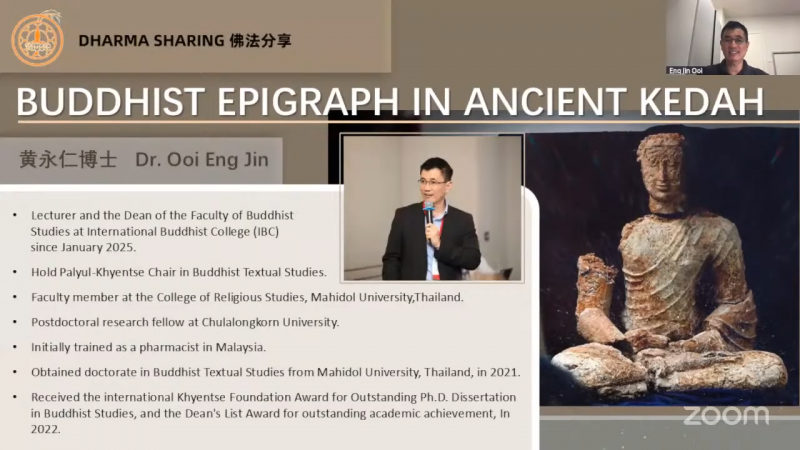
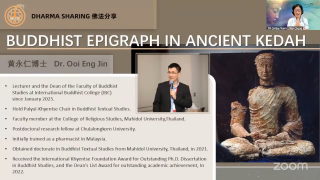
Lecturer and the Dean of the Faculty of Buddhist Studies at IBC, Dr. Ooi Eng Jin sharing "Buddhist Epigraph in Ancient Kedah"
Today, I would like to share with you the topic of “Buddhist Epigraphs in Ancient Kedah”.
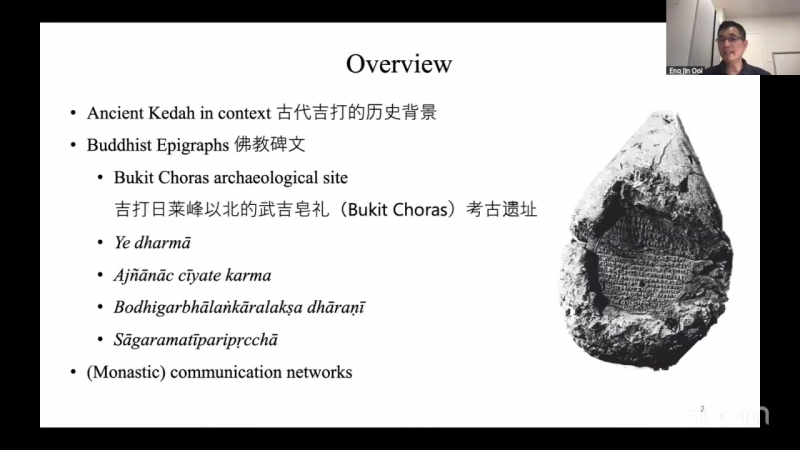
In general, I will cover a few areas.
First, we will define what Ancient Kedah means and put it in context. Then I will go on to talk about the reasons for excavation in Bukit Choras in Kedah, as well as Sanskrit inscriptions that were discovered in Bujang Valley, and how our ancient Buddhist community communicated with their original peers as well as the wider region in Asia.
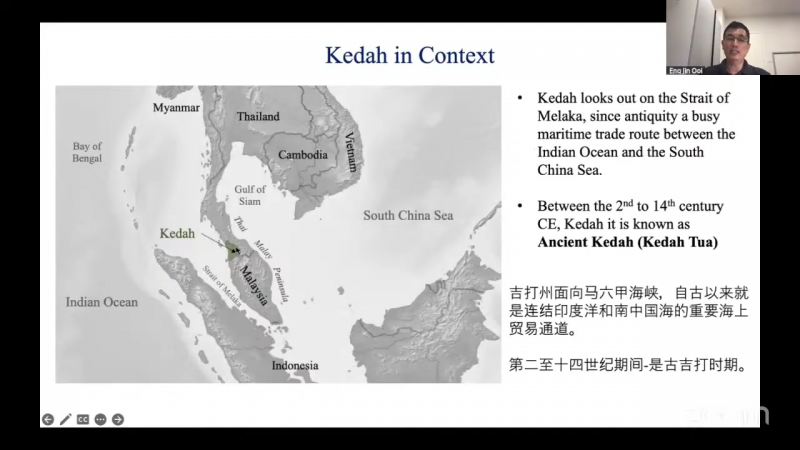
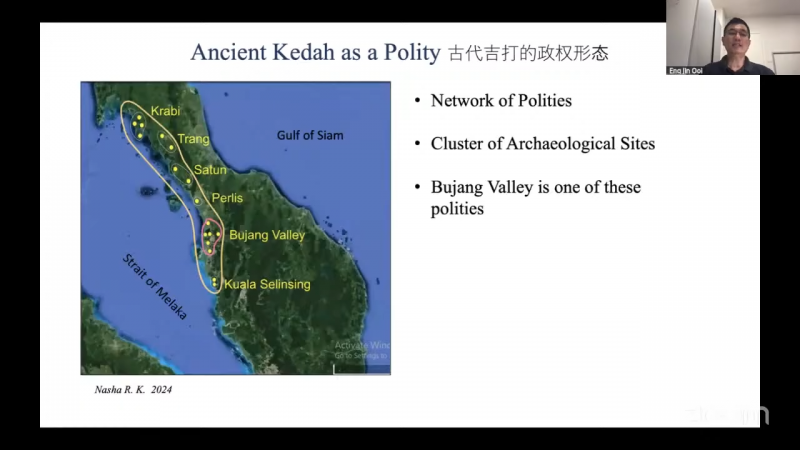
As we know, Kedah is situated in the northern part of Peninsular Malaysia, and it is at the entrance of the Strait of Melaka.
Kedah looks out on the Strait of Melaka, since antiquity a busy maritime trade route between the Indian Ocean and the South China Sea.
Between the 2nd to 14th century CE, Kedah it is known as Ancient Kedah (Kedah Tua)
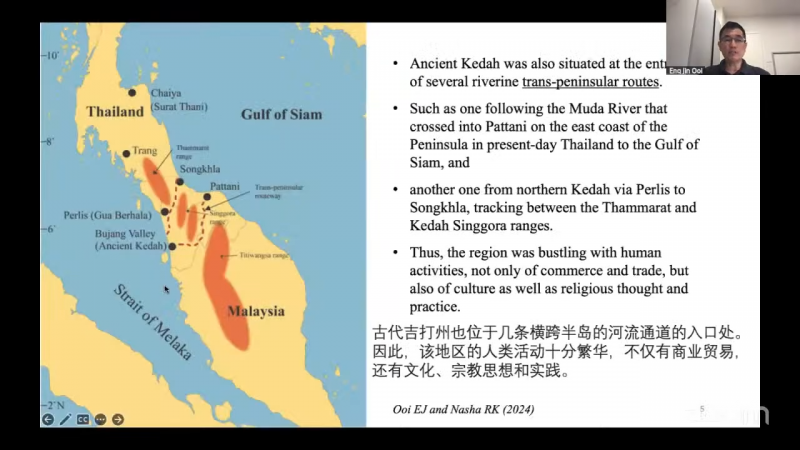
• Ancient Kedah was also situated at the entrance of several riverine trans-peninsular routes.
• Such as one following the Muda River that crossed into Pattani on the east coast of the Peninsula in present-day Thailand to the Gulf of Siam, and another one from northern Kedah via Perlis to Songkhla, tracking between the Thammarat and Kedah Singgora ranges.
• Thus, the region was bustling with human activities, not only of commerce and trade, but also of culture as well as religious thought and practice.
Pre-14th Century C.E. Bujang Valley:
1. The shoreline was much further inland.
2. Characteristics of the Bujang Valley are:
- (a) A protected bay
- (b) Gunung Jerai a promontory
- (c) Sandy beaches
3. Archaeological sites were concentrated at river banks and estuaries at the bay.
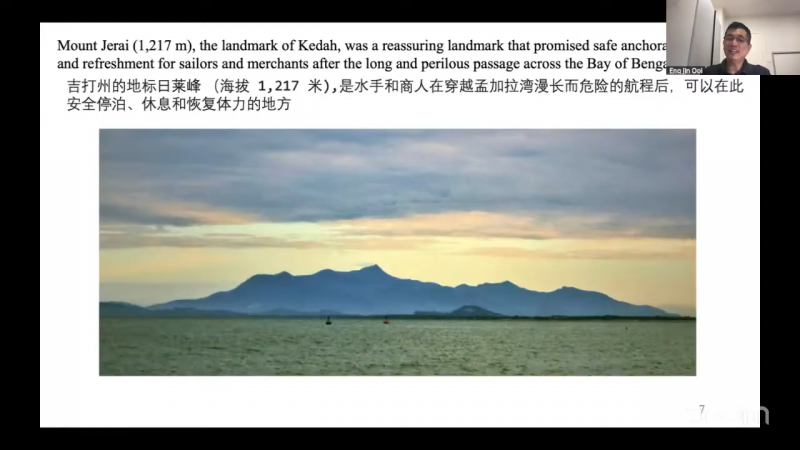
Mount Jerai (1,217 m), the landmark of Kedah, was a reassuring landmark that promised safe anchorage and refreshment for sailors and merchants after the long and perilous passage across the Bay of Bengal.
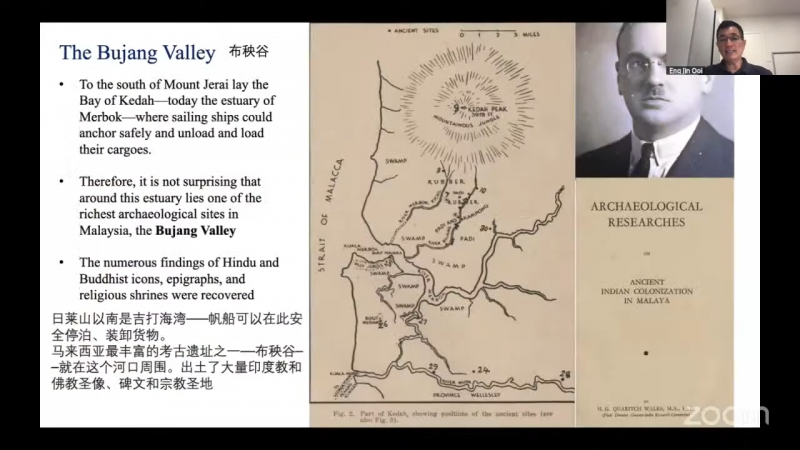
The Bujang Valley :
- To the south of Mount Jerai lay the Bay of Kedah today the estuary of Merbok where sailing ships could anchor safely and unload and load their cargoes.
- Therefore, it is not surprising that around this estuary lies one of the richest archaeological sites in Malaysia, the Bujang Valley.
- The numerous findings of Hindu and Buddhist icons, epigraphs, and religious shrines were recovered.
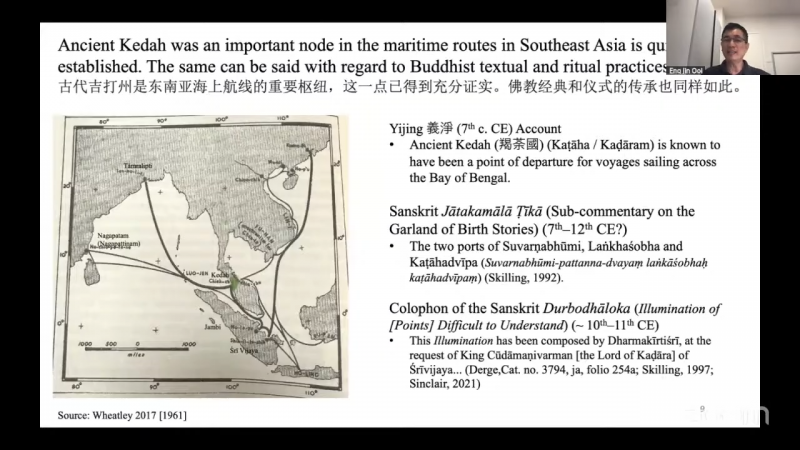
Ancient Kedah was an important node in the maritime routes in Southeast Asia is quite established. The same can be said with regard to Buddhist textual and ritual practices.
Yi Jing (7th c. CE) Account
•Ancient Kedah (羯荼国) (Kaṭāha / Kaḍāram) is known to have been a point of departure for voyages sailing across the Bay of Bengal.
Sanskrit Jātakamālā Ṭīkā (Sub-commentary on the Garland of Birth Stories) (7th-12th CE?)
•The two ports of Suvarnabhumi, Lankhaśobha and Kaṭāhadvipa (Suvarnabhūmi-pattanna-dvayam lankāśobhaḥ kaṭāhadvīpam) (Skilling, 1992).
Colophon of the Sanskrit Durbodhaloka (Illumination of [Points] Difficult to Understand) (~ 10th-11th CE)
•This Illumination has been composed by Dharmakirtiśrī, at the request of King Cūdāmaṇivarman [the Lord of Kaḍāra] of Śrīvijaya... (Derge, Cat. no. 3794, ja, folio 254a; Skilling, 1997; Sinclair, 2021)
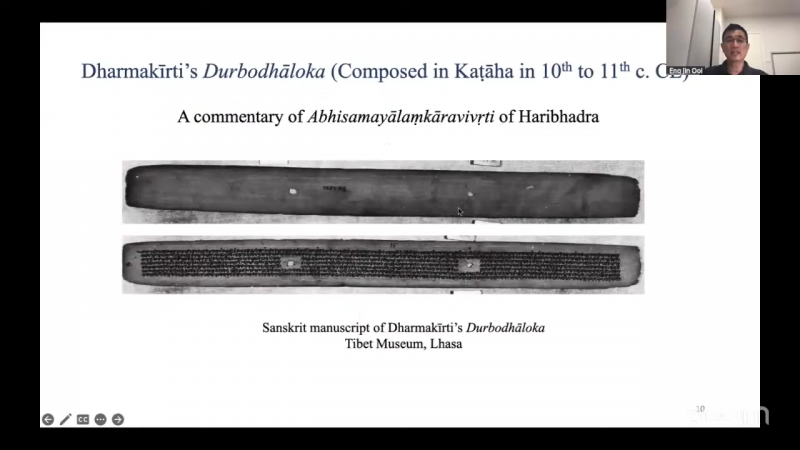
Dharmakirti's Durbodhāloka (Composed in Kaṭāha in 10th to 11th c. CE)
A commentary of Abhisamayālamkāravivṛti of Haribhadra
Sanskrit manuscript of Dharmakirti's Durbodhāloka in Tibet Museum, Lhasa
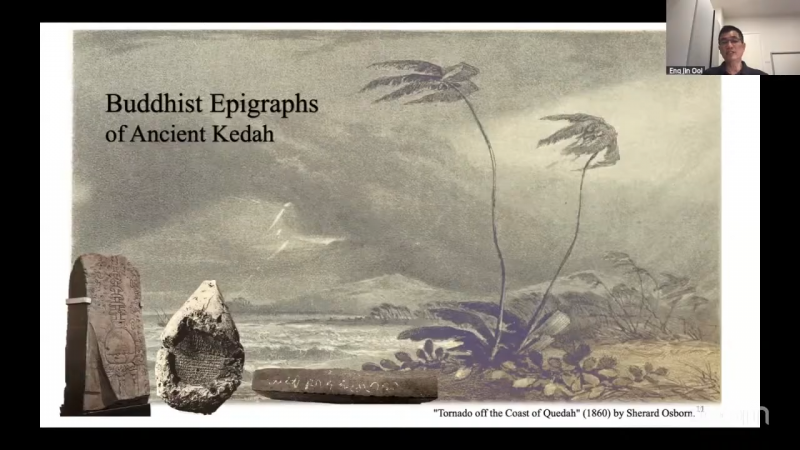
Now, move into the Buddhist epigraphs recovered in ancient Kedah Places in Bujang Valley.
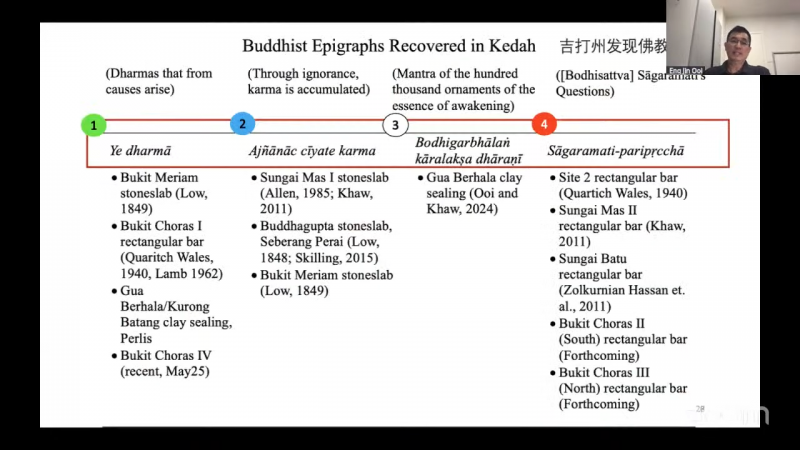
The four inscription that I would like to share here is:
“Ye dharmā” ( Dharmas that from causes arise )
(They are found in four pieces in Bujang Valley)
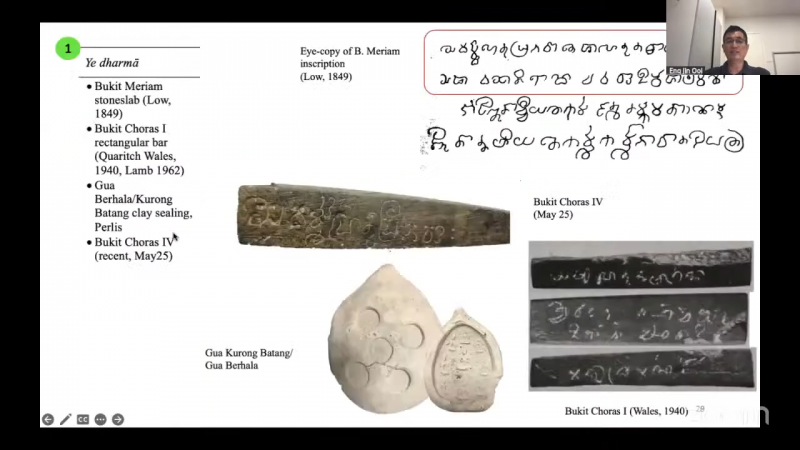
• Bukit Meriam stoneslab (Low, 1849)
• Bukit Choras I rectangular bar (Quaritch Wales, 1940, Lamb 1962)
• Gua Berhala/Kurong Batang clay sealing, Perlis
• Bukit Choras IV (recent, May25)
Ajñānāc ciyate karma (Through ignorance, karma is accumulated)
• Sungai Mas I stoneslab (Allen, 1985; Khaw, 2011)
• Buddhagupta stoneslab, Seberang Perai (Low, 1848; Skilling, 2015)
• Bukit Meriam stoneslab (Low, 1849)
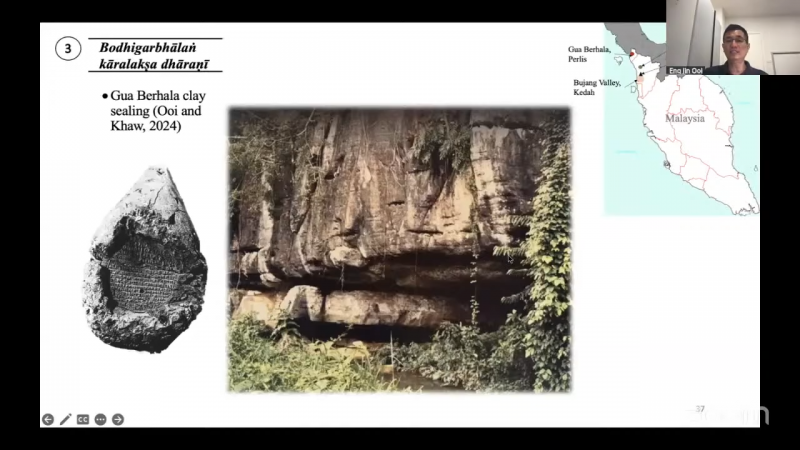
Bodhigarbhālan kāralakṣa dhāraṇī (Mantra of the hundred thousand ornaments of the essence of awakening)
• Gua Berhala clay sealing (Ooi and Khaw, 2024)
Sāgaramati-paripṛcchā ( [Bodhisattva] Sāgaramati's Questions)
• Site 2 rectangular bar (Quartich Wales, 1940)
• Sungai Mas II rectangular bar (Khaw, 2011)
• Sungai Batu rectangular bar (Zolkurnian Hassan et. al., 2011)
• Bukit Choras II (South) rectangular bar (Forthcoming)
• Bukit Choras III (North) rectangular bar (Forthcoming)
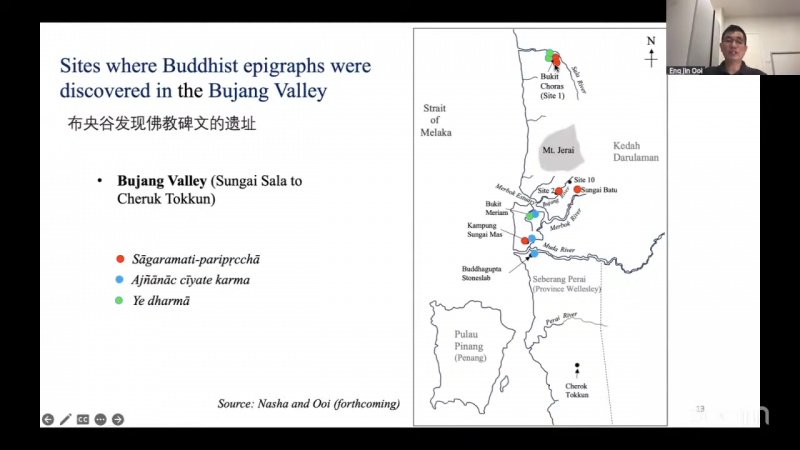
Sites where Buddhist epigraphs were discovered in the Bujang Valley:
Bujang Valley (Sungai Sala to Cheruk Tokkun)
- Sāgaramati-paripṛcchā
- Ajñānāc ciyate karma
- Ye dharmā
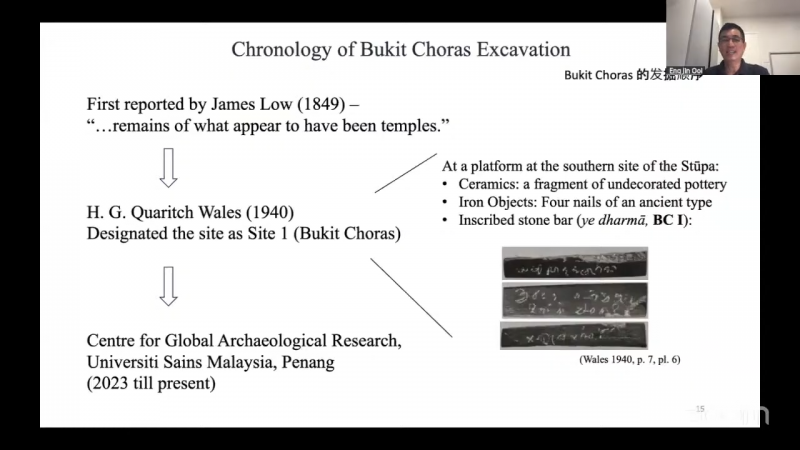
Chronology of Bukit Choras Excavation:
It was first reported by James Low (1849) –
"...remains of what appear to have been temples."
Then after almost a century later, H. G. Quaritch Wales (1940), Designated the site as Site 1 (Bukit Choras)
*At a platform at the southern site of the Stupa, he found:
• Ceramics: a fragment of undecorated pottery.
• Iron Objects: Four nails of an ancient type
• Inscribed stone bar “Ye dharmā” , BC I)
↓
Centre for Global Archaeological Research, Universiti Sains Malaysia, Penang (2023 till present)
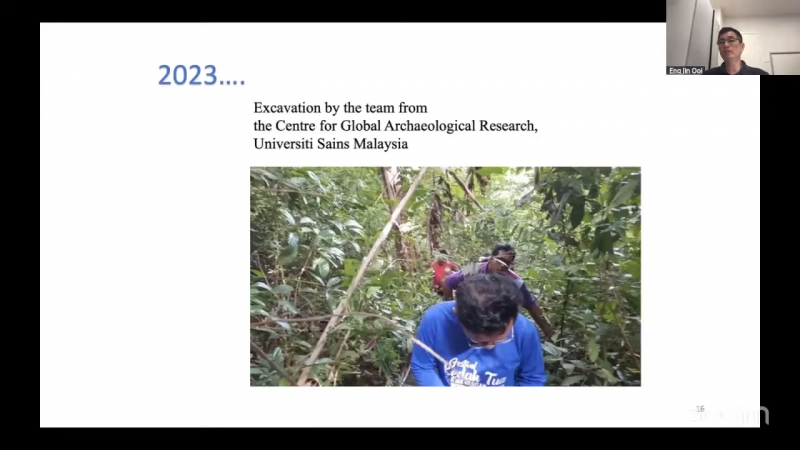
2023....
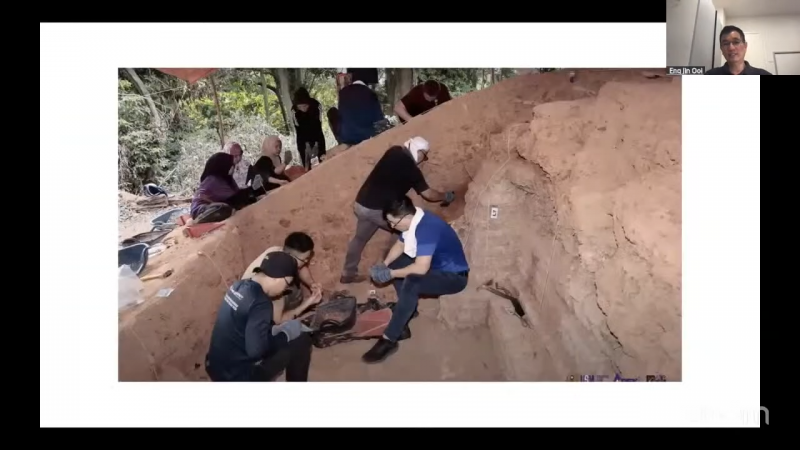
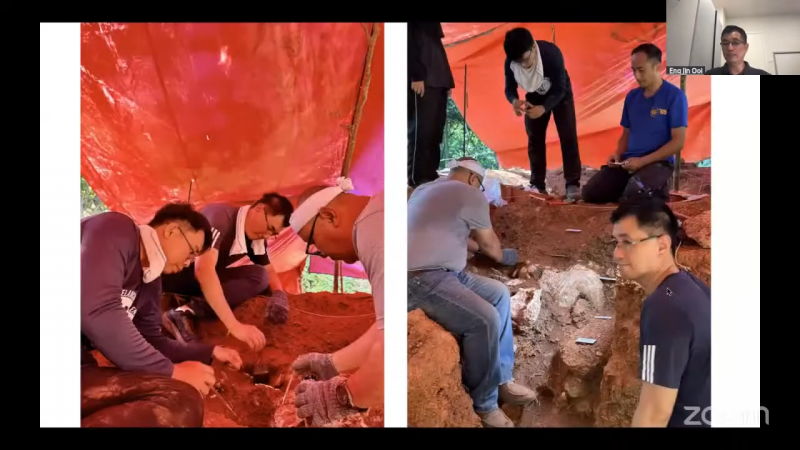
Excavation by the team from the Centre for Global Archaeological Research, Universiti Sains Malaysia.
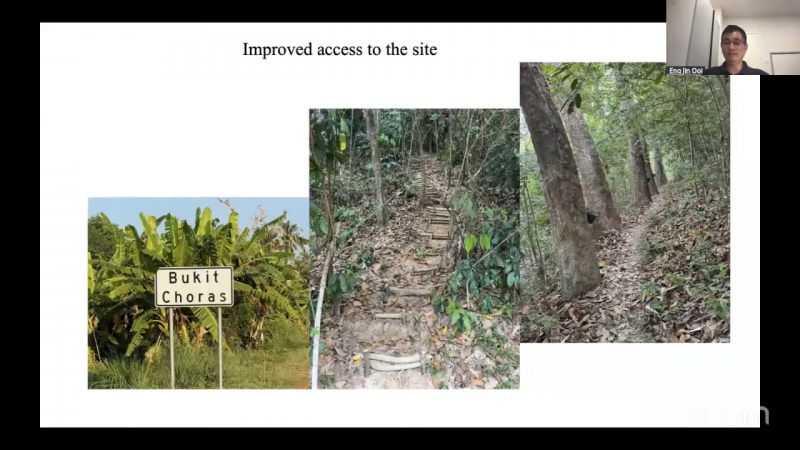
Improved access to the site.
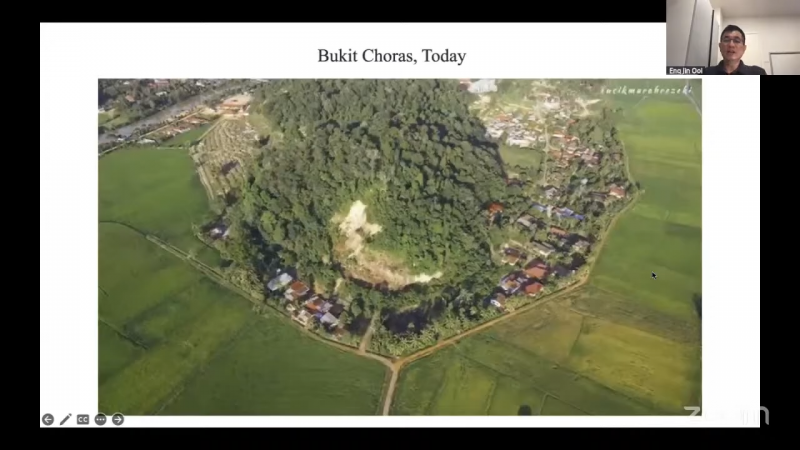
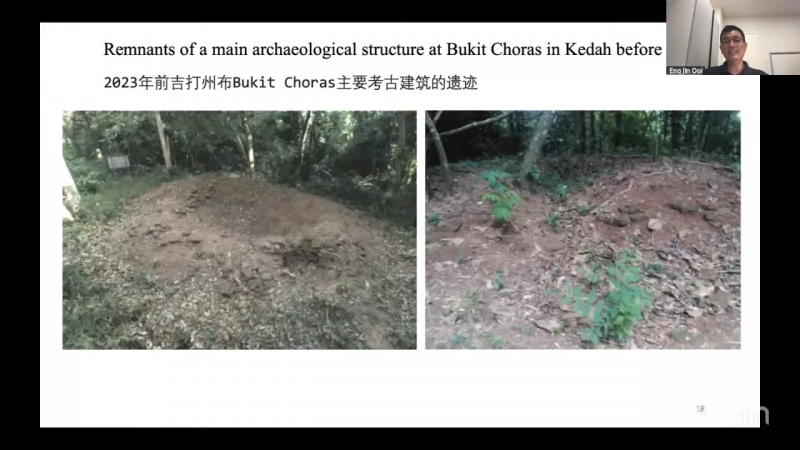
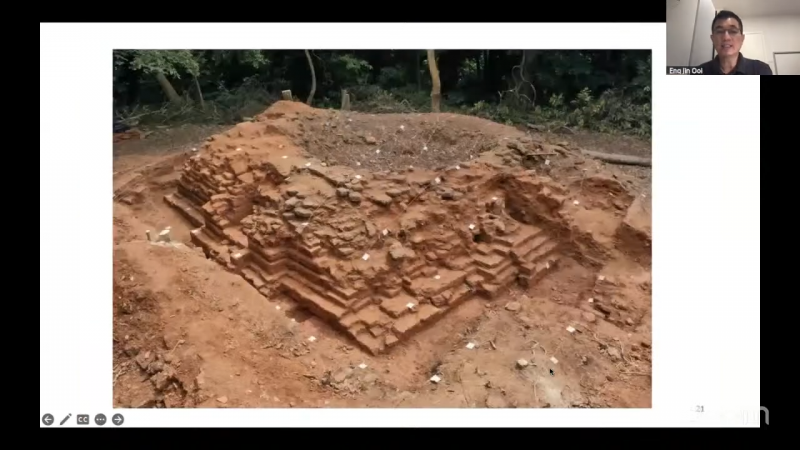
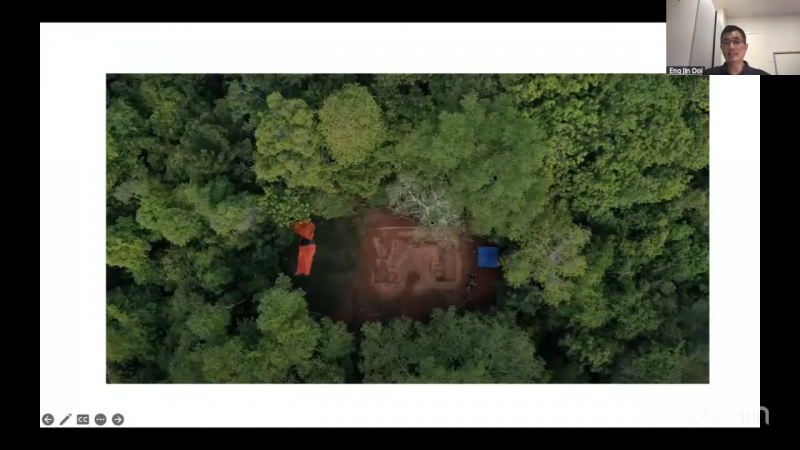
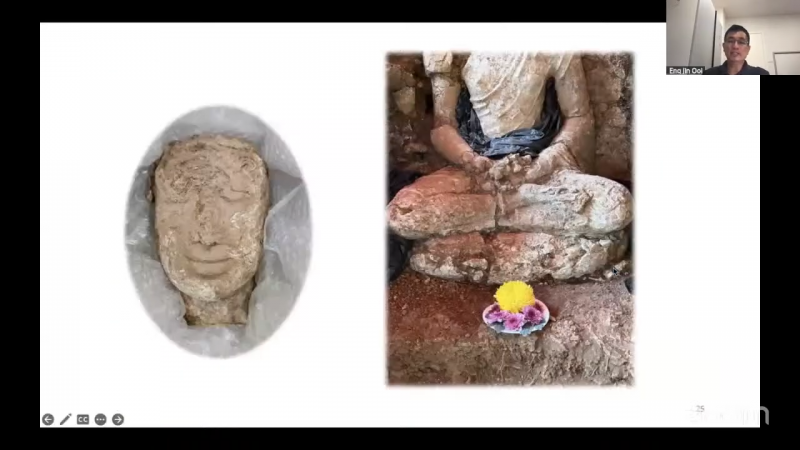
Remnants of a main archaeological structure at Bukit Choras in Kedah before 2023.
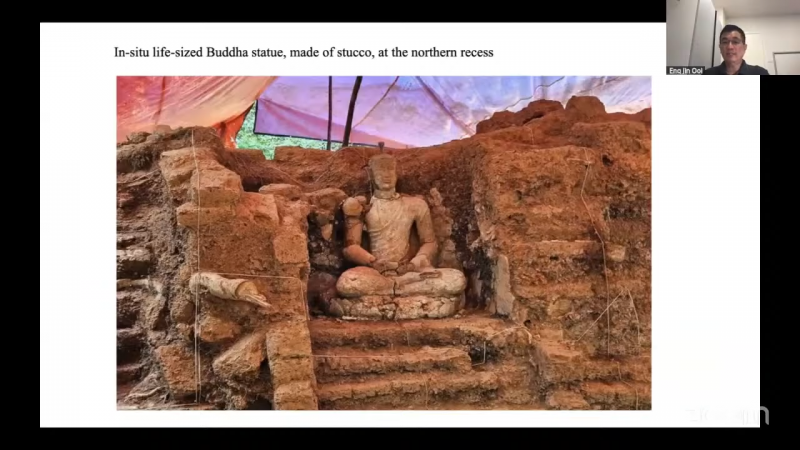
In-situ life-sized Buddha statue, made of stucco, at the northern recess
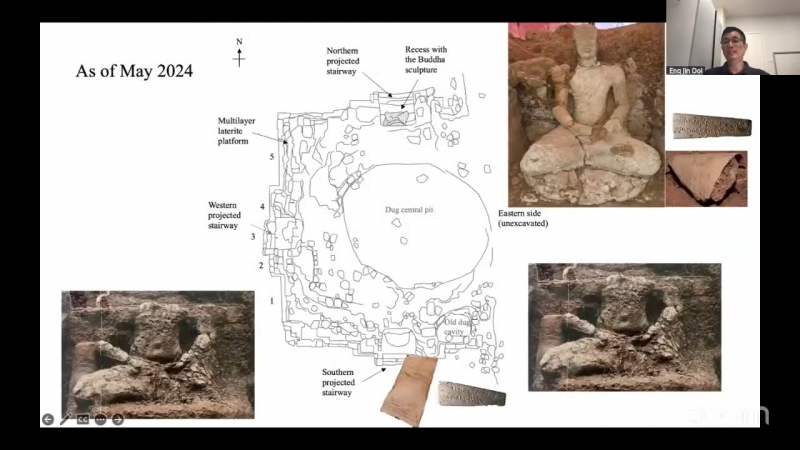
In 2025 ( April-May )
A few months ago, in April-May 2025, another excavation was carried out on another structure, Southern Structure 2.
So this is the update as of now on the excavation in Bukit Choras.
The next excavation will be next, maybe in March or June.
Ok, back to our inscriptions.
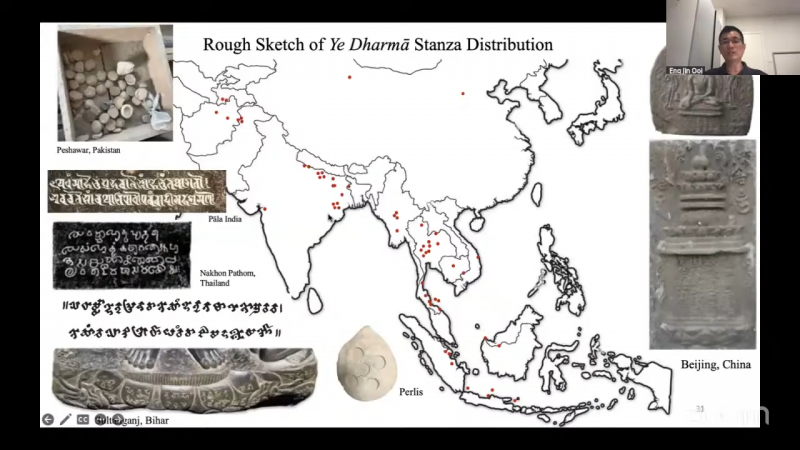
Let's look at the first “Ye dharmā” inscriptions. There are 4 such inscriptions found in Bujang Valley. The first one is Bukit Mariam’s stone slabs. However, the original stones have been lost. Instead, what we have is an eye-copy of the Bukit Mariam inscription (by James Low, 1849). Below, you can see an inscription that we just discovered on May 25 (Bukit Choras IV).
And also in the cave in Perlis, Gua Kurong Batang/Gua Berhala.
What is this “Ye dharmā” inscription?
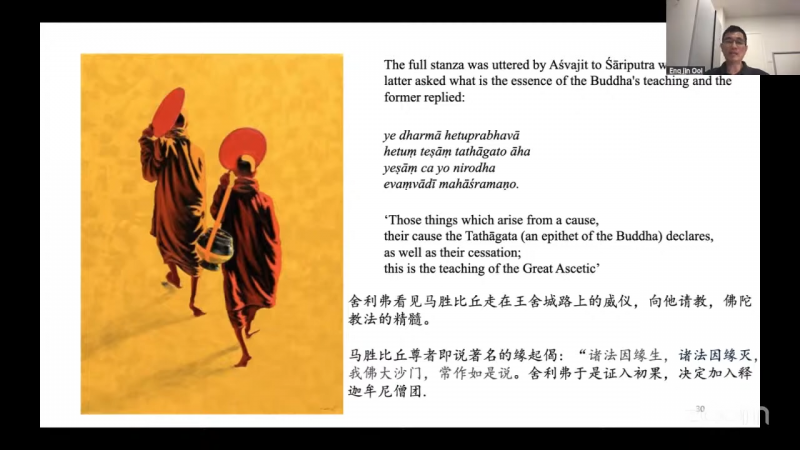
“Ye dharmā” Is a Stanza or a Gāthā uttered by Aśvajit to Sariputra were latter asked what is the essence of the Buddha's teaching and the former replied:
ye dharmā hetuprabhavā
hetum teṣām tathāgato āha
yeşăm ca yo nirodha
evamvādī mahāśramano.
'Those things which arise from a cause,
their cause the Tathāgata (an epithet of the Buddha) declares,
as well as their cessation;
this is the teaching of the Great Ascetic'
Rough Sketch of “Ye dharmā” Stanza Distribution:
- Peshawar, Pakistan,
- Pala India,
- Nakhon Pathom, Thailand
- Sultanganj, Bihar
- Perlis
- Beijing, China
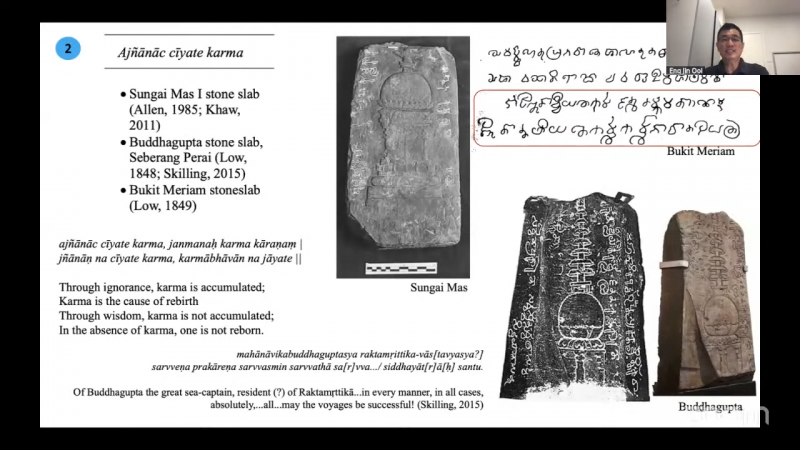
The second inscriptions is the Ajñānāc ciyate karma.
• Sungai Mas I stone slab (Allen, 1985; Khaw, 2011)
• Buddhagupta stone slab, Seberang Perai (Low, 1848; Skilling, 2015)
• Bukit Meriam stoneslab (Low, 1849)
ajñānāc cīyate karma, janmanaḥ karma kāraṇam |
jñānāṇ na cīyate karma, karmābhāvān na jāyate ||
Through ignorance, karma is accumulated;
Karma is the cause of rebirth.
Through wisdom, karma is not accumulated;
In the absence of karma, one is not reborn.
mahānāvikabuddhaguptasya raktamṛittika-vās[tavyasya?]
sarvveṇa prakāreņa sarvvasmin sarvvathā sa[r]vva.../siddhayat[r]ā[h] santu.
of Buddhagupta, the great sea-captain, resident (?) of Raktamṛttikā...in every manner, in all cases, absolutely,...all...may the voyages be successful! (Skilling, 2015)
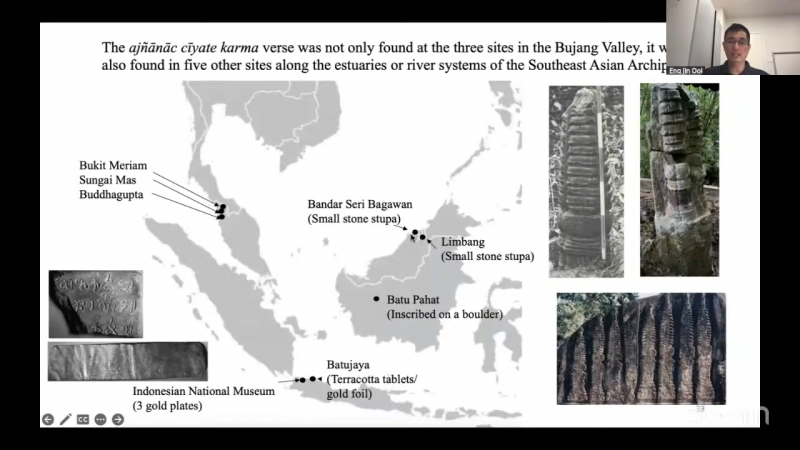
The ajñānāc cīyate karma verse was not only found at the three sites in the Bujang Valley, it was also found in five other sites along the estuaries or river systems of the Southeast Asian Archipelagos.
Bukit Meriam Sungai Mas (Buddhagupta):
- Bandar Seri Bagawan (Small stone stupa)
- Limbang (Small stone stupa)
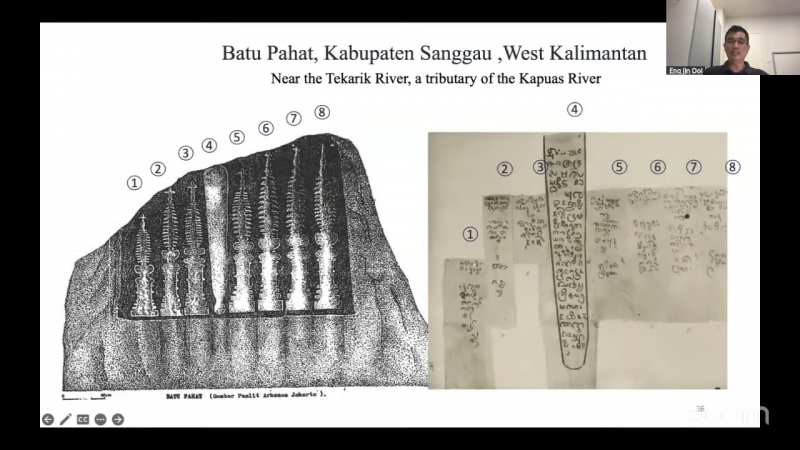
- Batu Pahat (Inscribed on a boulder)
- Indonesian National Museum (3 gold plates)
- Batujaya (Terracotta tablets/ gold foil)
Ajñānāc cīyate karma verse in Limbang, Sarawak, Malaysia
Ajñānāc cīyate karma verse in Brunei, Muslim Cemetery
Batu Pahat, Kabupaten Sanggau,West Kalimantan (Near the Tekarik River, a tributary of the Kapuas River)
Bodhigarbhālan kāralakṣa dhāranī:
• Gua Berhala clay sealing (Ooi and Khaw, 2024)
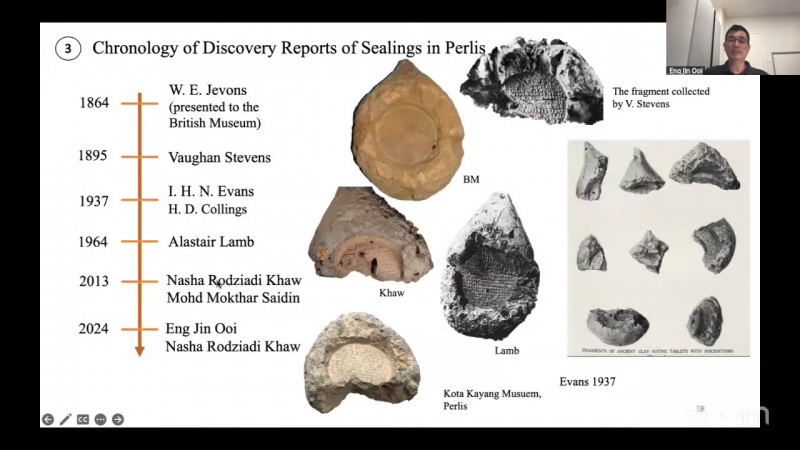
Chronology of Discovery Reports of Sealings in Perlis:
1864: W. E. Jevons (presented to the British Museum)
1895: Vaughan Stevens
1937: I. H. N. Evans and H. D. Collings
1964: Alastair Lamb
2013: Nasha Rodziadi Khaw and Mohd Mokthar Saidin Khaw
2024: Eng Jin Ooi and Nasha Rodziadi Khaw
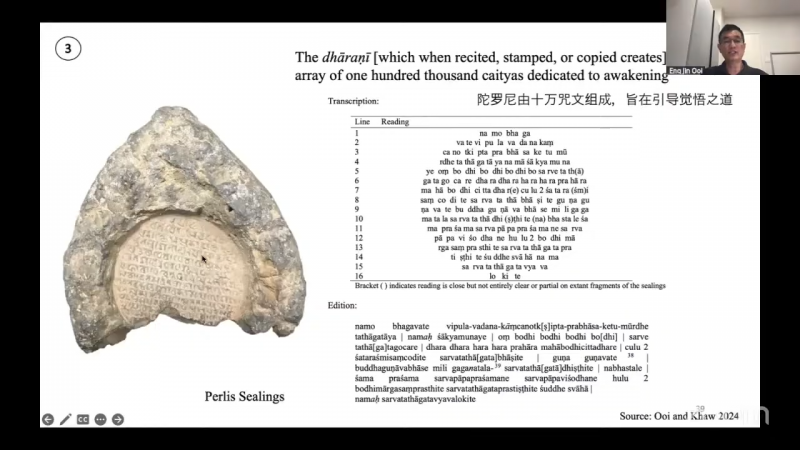
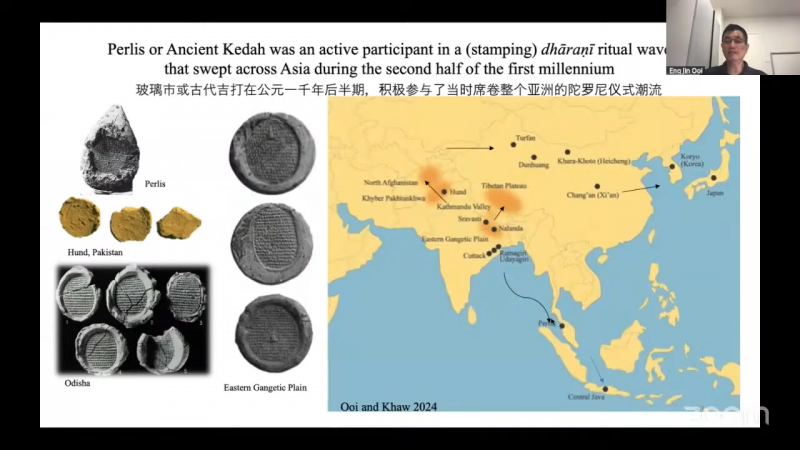
Perlis Sealings:
The dhāraṇī [which when recited, stamped, or copied creates]
array of one hundred thousand caityas dedicated to awakening
Edition:
namo bhagavate vipula-vadana-kāmcanotk[s]ipta-prabhasa-ketu-mürdhe tathāgataya namaḥ śākyamunaye | om bodhi bodhi bodhi bo[dhi] | sarve tatha[ga]tagocare | dhara dhara hara hara prahāra mahabodhicittadhare | culu 2 śataraśmisamcodite sarvatatha[gata]bhāṣite | guna gunavate buddhaguṇāvabhāse mili gaganatala-39 sarvatatha[gata]dhisthite | nabhastale | sama prasama sarvapāpaprašamane sarvapäpaviśodhane hulu 2 bodhimärgasamprasthite sarvatathāgataprastisthite suddhe svāhā
namaḥ sarvatathāgatavyavalokite
(Source: Ooi and Khaw 2024)
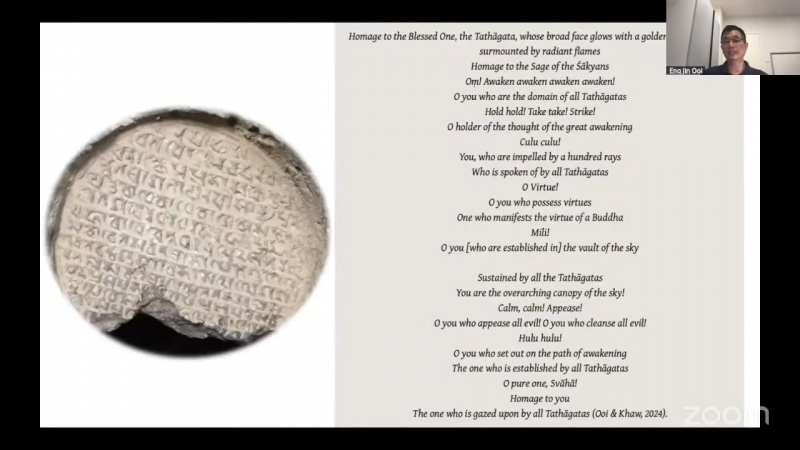
Homage to the Blessed One, the Tathāgata, whose broad face glows with a golder
surmounted by radiant flames
Homage to the Sage of the Sakyans
Om! Awaken awaken awaken awaken! O you who are the domain of all Tathāgatas Hold hold! Take take! Strike!
O holder of the thought of the great awakening Culu culu!
You, who are impelled by a hundred rays Who is spoken of by all Tathāgatas
O Virtue!
O you who possess virtues
One who manifests the virtue of a Buddha
Mili!
O you [who are established in] the vault of the sky
Sustained by all the Tathāgatas
You are the overarching canopy of the sky! Calm, calm! Appease!
O you who appease all evil! O you who cleanse all evil! Hulu hulu!
O you who set out on the path of awakening
The one who is established by all Tathāgatas
O pure one, Svähä!
Homage to you
The one who is gazed upon by all Tathāgatas
(Ooi & Khaw, 2024).
Perlis or Ancient Kedah was an active participant in a (stamping) dhāraḥṇī ritual wave that swept across Asia during the second half of the first millennium.
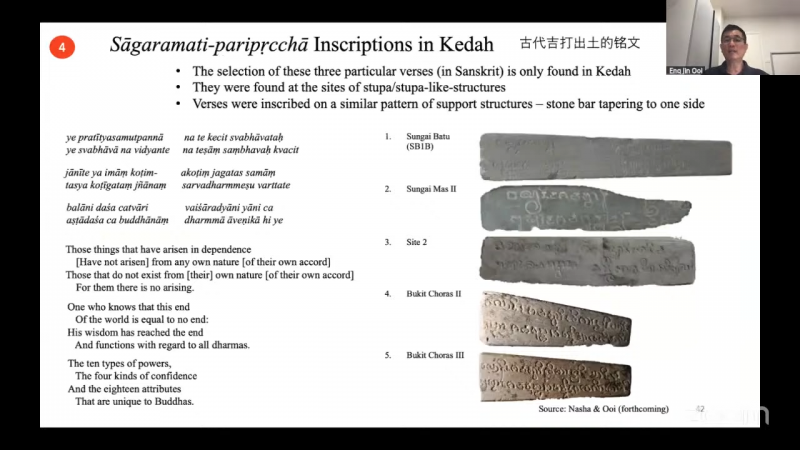
Sāgaramati-paripṛccha Inscriptions in Kedah:
• The selection of these three particular verses (in Sanskrit) is only found in Kedah.
•They were found at the sites of stupa/stupa-like-structures.
• Verses were inscribed on a similar pattern of support structures - stone bar tapering to one side.
ye pratityasamutpannā
na te kecit svabhāvataḥ
ye svabhāvā na vidyante
na teṣām sambhavaḥ kvacit
jānīte ya imam kotim-
akotim jagatas samām
tasya koṭīgatam jñānam
sarvadharmmeşu varttate
balāni dasa catvāri
vaiśāradyāni yāni ca
aṣṭādaśa ca buddhānām
dharmmā āvenikā hi ye
Those things that have arisen in dependence
[Have not arisen] from any own nature [of their own accord]
Those that do not exist from [their] own nature [of their own accord]
For them there is no arising.
One who knows that this end
Of the world is equal to no end:
His wisdom has reached the end
And functions with regard to all dharmas.
The ten types of powers,
The four kinds of confidence
And the eighteen attributes
That are unique to Buddhas.
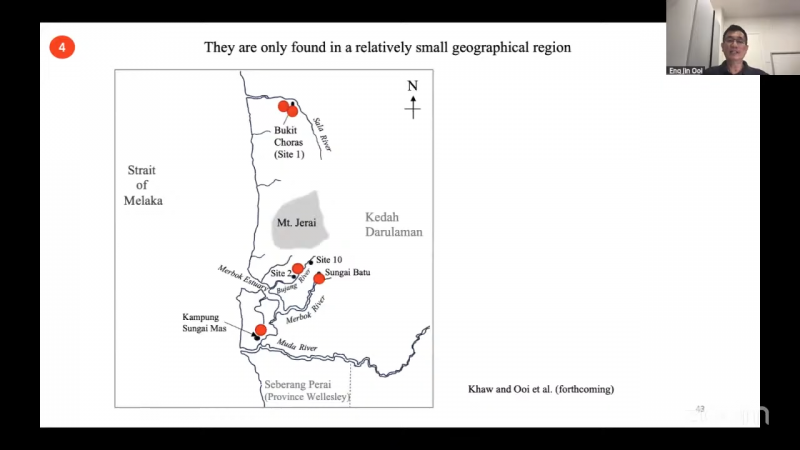
They are only found in a relatively small geographical region.
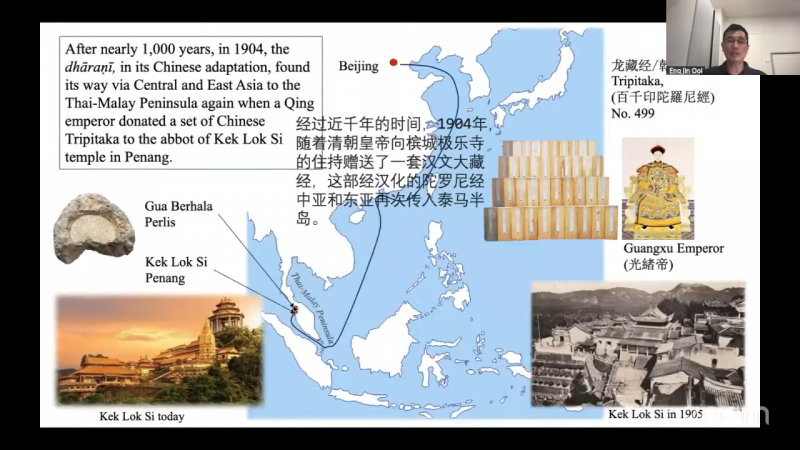
After nearly 1,000 years, in 1904, the |dhārani, in its Chinese adaptation, found its way via Central and East Asia to the Thai-Malay Peninsula again when a Qing emperor donated a set of Chinese Tripitaka to the abbot of Kek Lok Si temple in Penang.
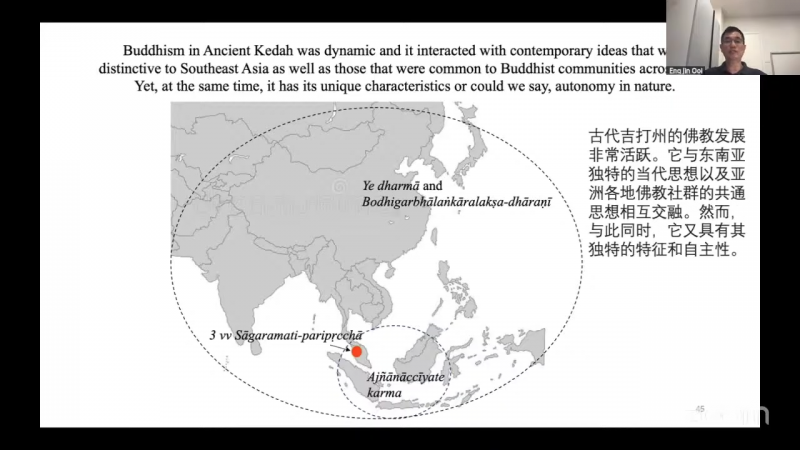
Buddhism in Ancient Kedah was dynamic and it interacted with contemporary ideas that were distinctive to Southeast Asia as well as those that were common to Buddhist communities across.
Yet, at the same time, it has its unique characteristics or could we say, autonomy in nature.
For more information, please browse https://www.youtube.com/watch?v=9Z5fDTcr-YE
Spread the Buddha's teachings to guide more people to study Buddhism.
Continue diligently in the path studying the Buddha's teachings and listening to the Dharma.
Follow us on:
https://linktr.ee/thanhsiang