Submitted by MeiYue on
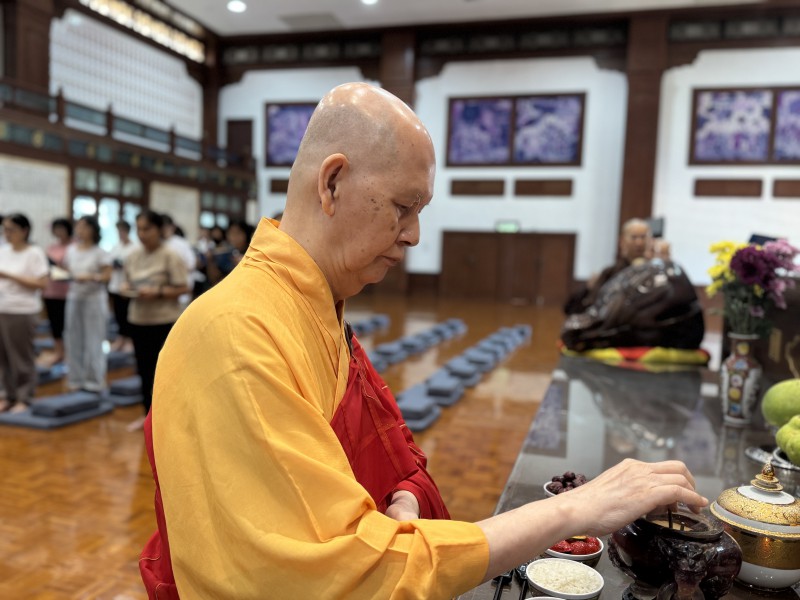
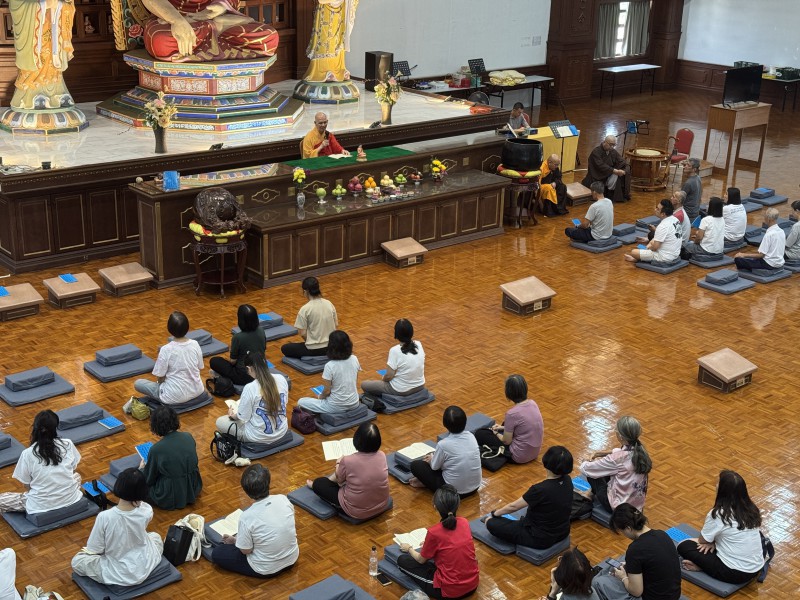
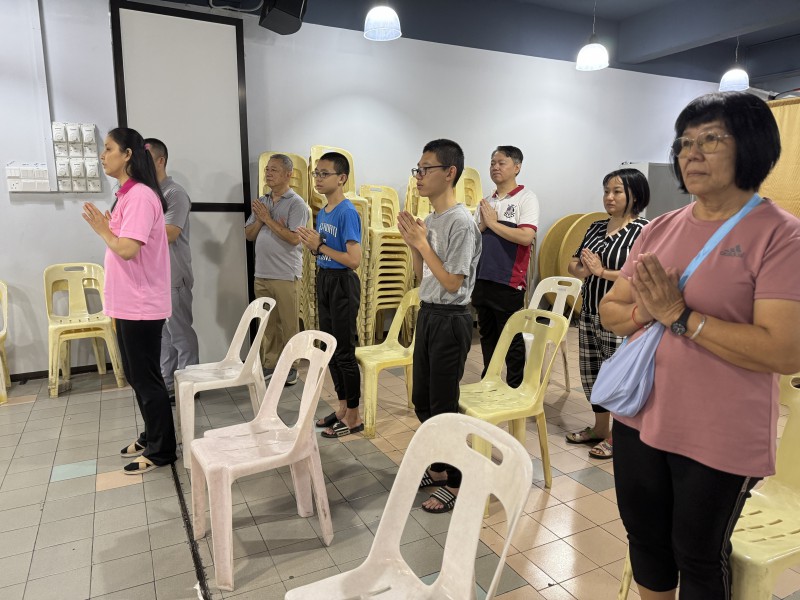
On September 6, 2025, corresponding to the fifteenth day of the seventh lunar month, Than Hsiang Temple in Penang held the Ullambana Dharma Assembly at the Main Shrine Hall on the sixth floor, in observance of the Buddha’s Joyful Day. In the early morning, many devotees came early to the temple to make offerings, such as lighting the led candles to the Buddha. The atmosphere was serene and solemn.
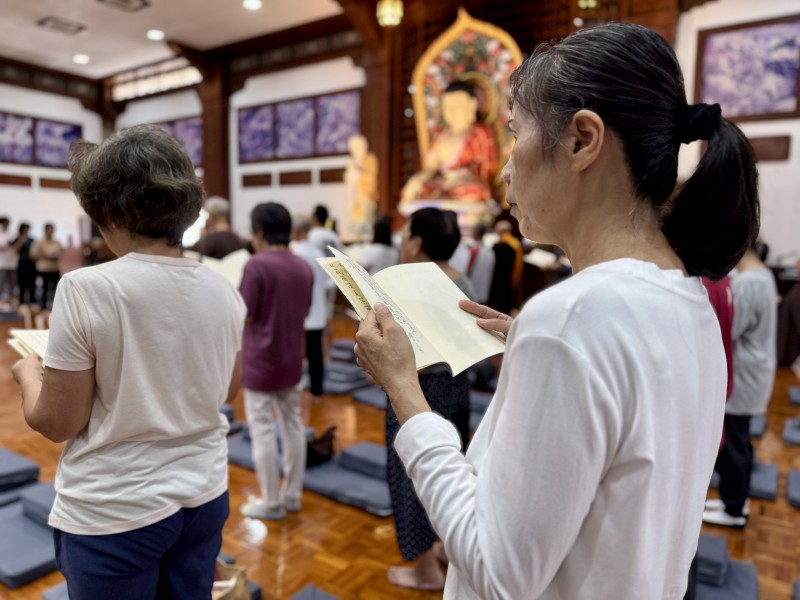
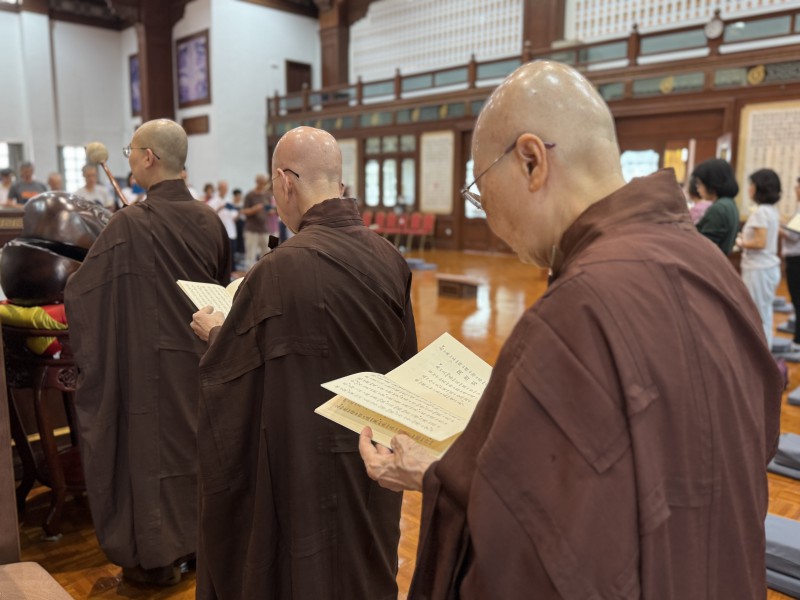
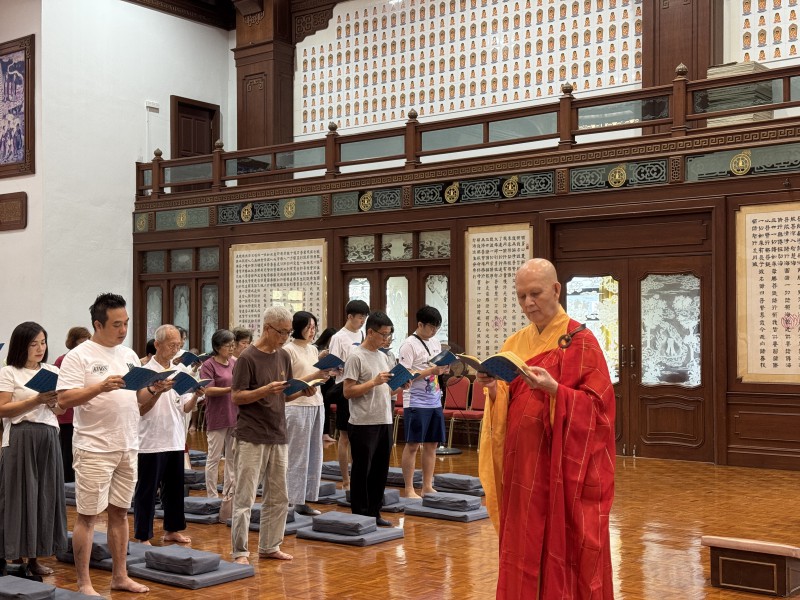
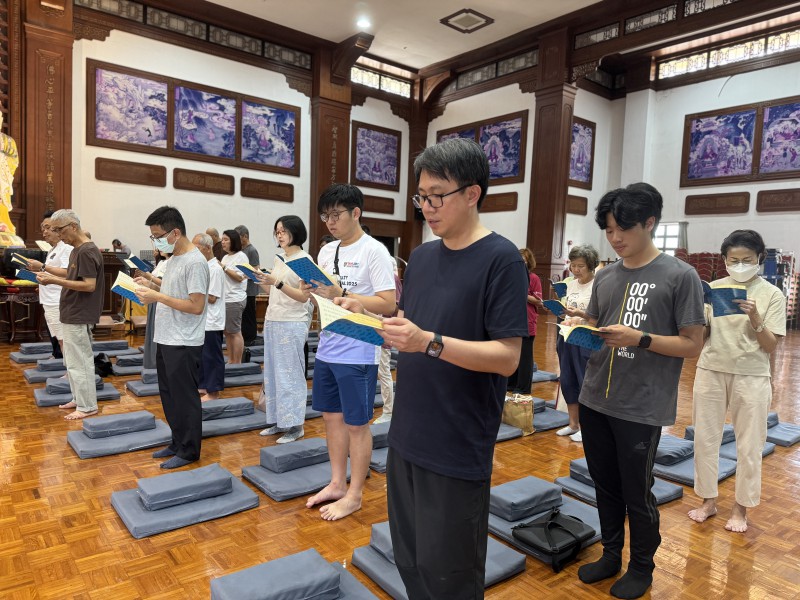
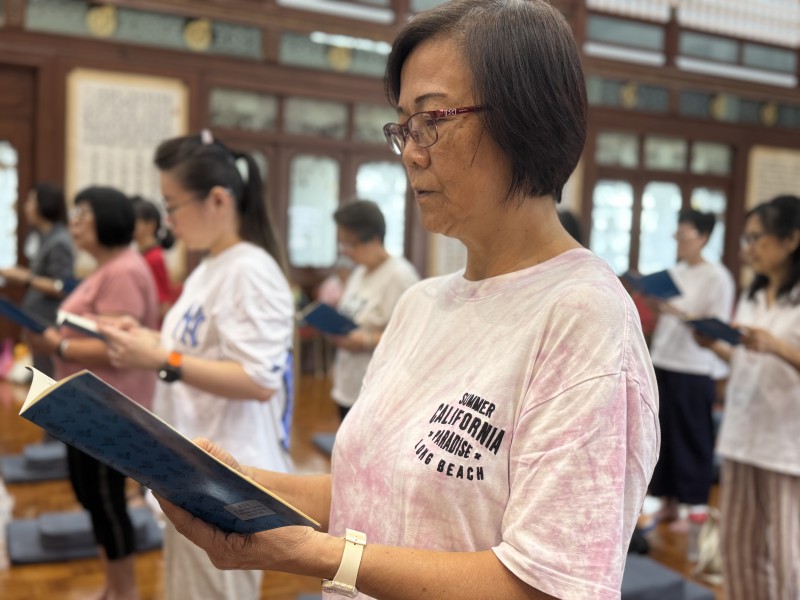
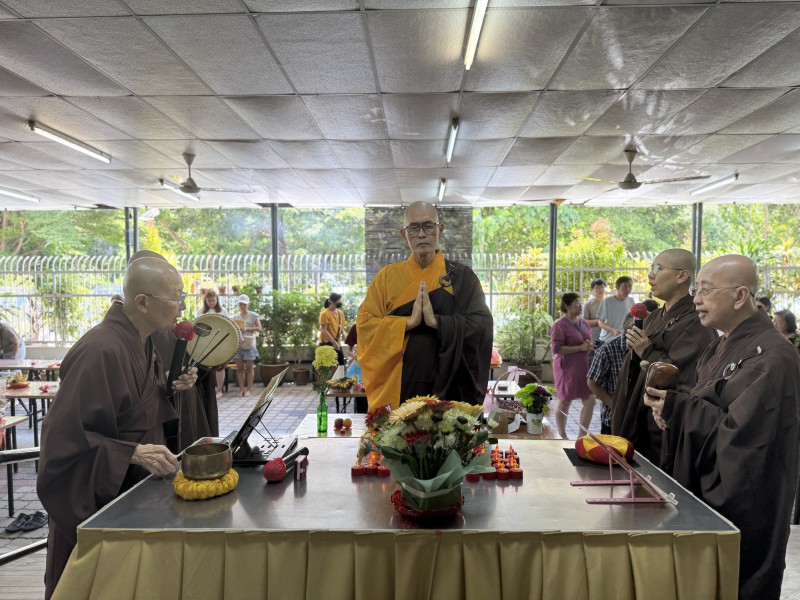
At 10:30 a.m., Most Venerable Wei Wu, together with Sangha members led the assembly in the chanting of Ullambana Sutra. As the assembly coincided with Saturday, numerous devotees joined the chanting, immersing themselves in the joy of Dharma. After the completion of chanting Ullambana Sutra, Sangha members led the noon offering before the Buddha, followed by the dedication of merits at the Longevity Altar and the San Sheng Dian.
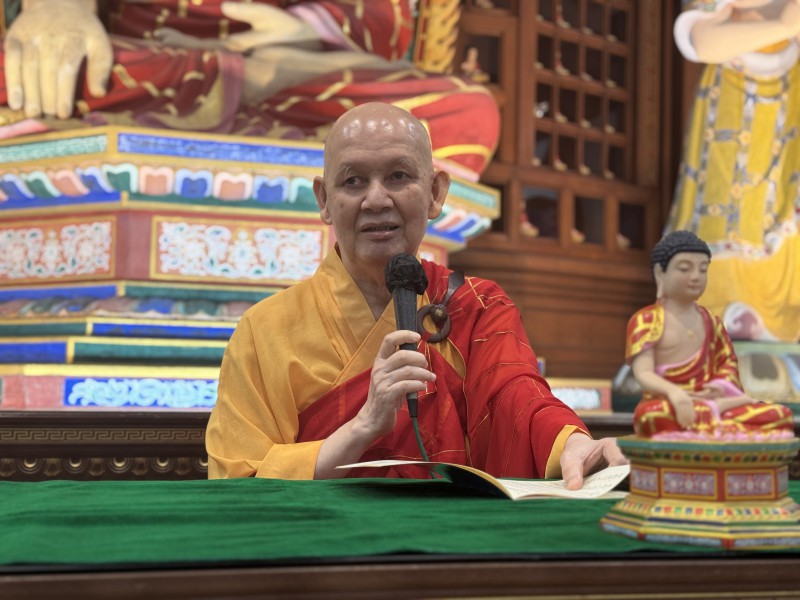
After the offering ceremony, Most Venerable Wei Wu compassionately delivered a Dharma talk on the profound significance of the Ullambana Sutra and the Buddha’s Joyful Day. Venerable began by explaining the Sanskrit origin and transliteration of the term “Ulllambana,” clarifying the common misreading as “Meng Lan Pen(梦兰盆).” Venerable then elaborated on the first line standard introduction of Buddhist Discourses - Thus have I heard”- as a mark of authenticity from Venerable Ananda’s firsthand transmission, noting that “Heard thus” and “Thus have I heard” convey the same meaning.
Venerable further introduced the Theravāda tradition of the rains retreat and its counterpart in Chinese Buddhism, known as “Summer Retreat.” Due to the presence of a leap sixth lunar month this year, Than Hsiang Temple Sangha Members began their retreat on the sixteenth day of the fourth lunar month and concluded it on the fifteenth day of the leap sixth lunar month. In keeping with tradition, the Ullambana Dharma Assembly was held on the fifteenth day of the seventh lunar month. Venerable also explained that this day marks the “Day of Self Reflection” for Sangha’s, a time for mutual confession and reminders to purify the three karmas of body, speech, and mind.
Most Venerable Wei Wu then introduced three exemplary figures of filial piety in Buddhism: Venerable Maudgalyāyana, foremost in supernatural powers, who rescued his mother from the realm of hungry ghosts through the merit of offering to the Sangha; Kṣitigarbha Bodhisattva, whose great vows and filial deeds are extolled in the Bodhisattva Kṣitigarbha’s Vows Sutra, and whose name is often invoked during filial piety assemblies; and Śākyamuni Buddha, who ascended to the Trāyastriṃśa Heaven after attaining enlightenment to preach the Kṣitigarbha Sutra to his mother, exemplifying profound gratitude.
Venerable also mentioned regard the common folk belief that the fifteenth day of the seventh lunar month is a “Ghost Festival,” often associated with taboos and superstition. In contrast, Buddhism regards this day as the Buddha’s Joyful Day, emphasizing filial piety, gratitude, and the cultivation of merit through offerings to the Sangha-free from fear or superstition. To conclude, Venerable affirming that Buddhist filial piety extends beyond one’s present parents to include those of past and future lives, and indeed all sentient beings, underscoring the teaching that “All beings have been our parents.” Thus, honouring one’s parents is an act of repaying the kindness of all beings.
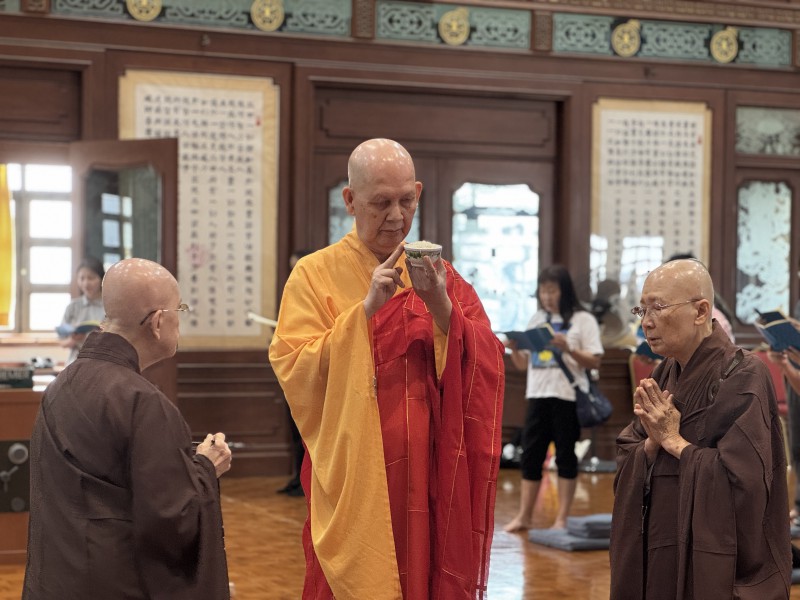
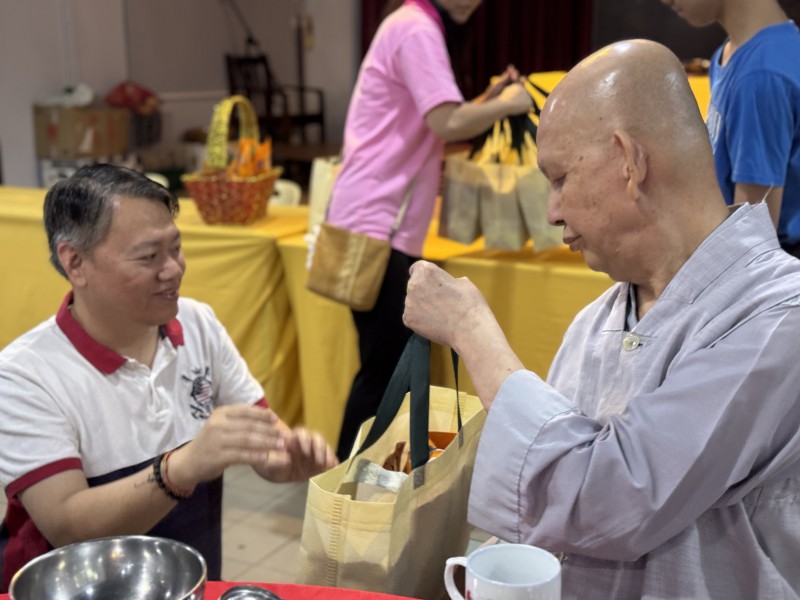
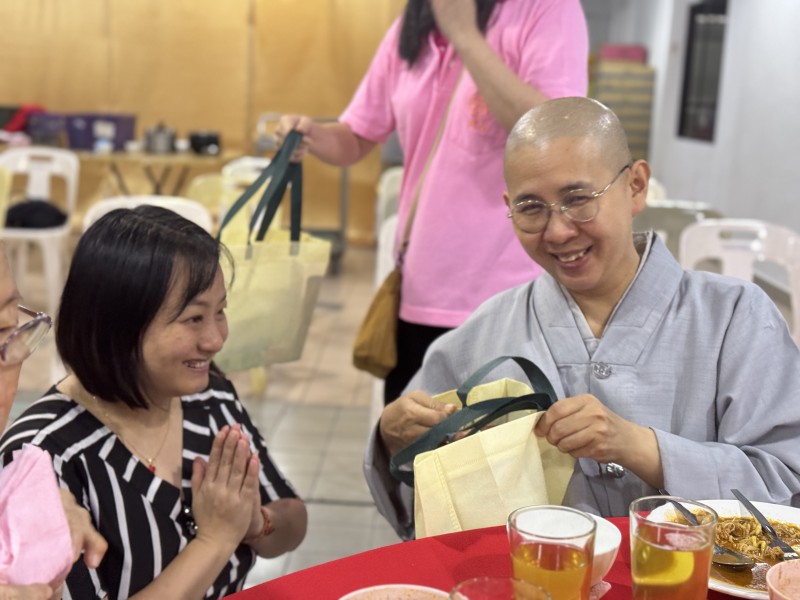
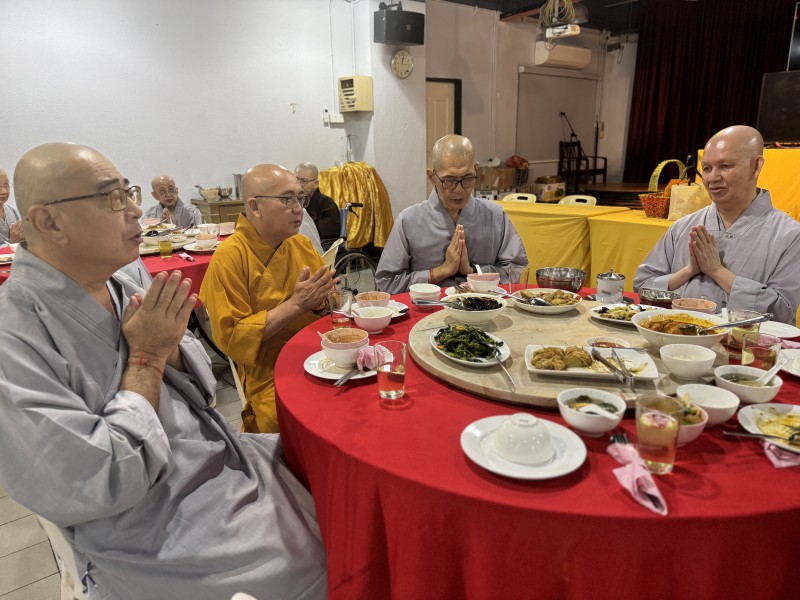
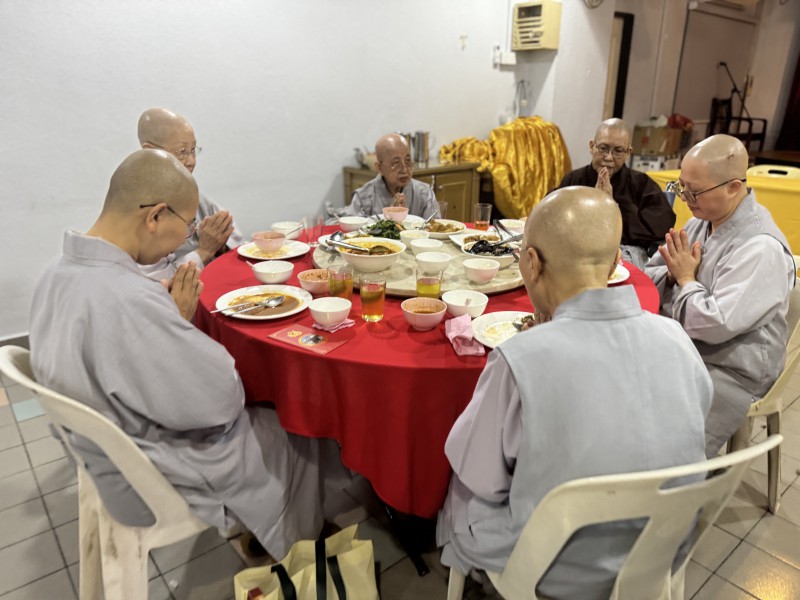
After the Dharma Talk, Most Venerable Wei Wu and Sangha’s members proceeded to the small hall on the ground floor to accept offerings, as devotees joyfully made offerings to the Sangha on this auspicious day, sowing seeds of merit and virtue.
******************************************************
More photos: https://thanhsiang.org/CH/node/6667
******************************************************
Spread the Buddha's teachings to guide more people to study Buddhism.
Continue diligently in the path studying the Buddha's teachings and listening to the Dharma.
Follow us on:
https://linktr.ee/thanhsiang